Is Bosnia Worth Visiting? 8 Reasons It’s One of My Favourite Countries in Europe
When people plan their Euro summers, Bosnia and Herzegovina is rarely at the top of the list. It wasn’t at the top of mine either. I had been travelling through Western Europe but by July it had become too overcrowded and expensive, so I started looking east.
Bosnia was my first stop in the Balkans and it quickly became one of my favourite countries in all of Europe. Here are the eight reasons why.
1. It Has One of The Richest Cultures in Europe
The Ottoman & East Meets West Identity
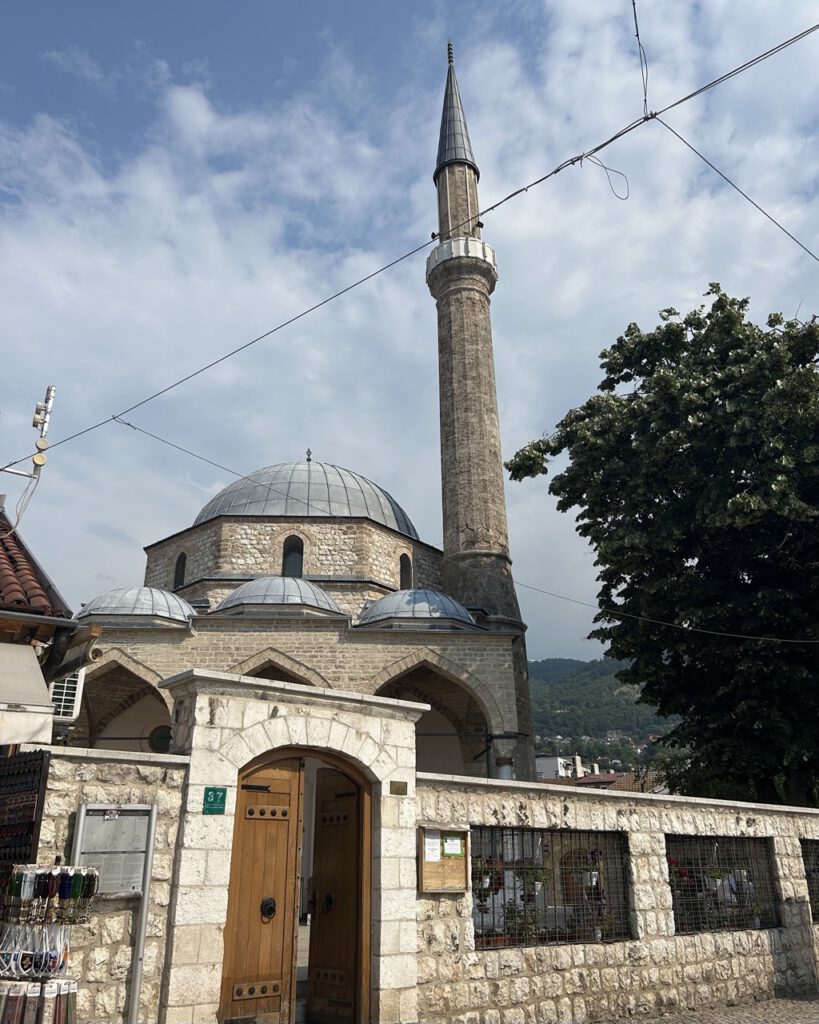
Bosnia has one of the most unique cultural identities in Europe, shaped by more than 400 years of Ottoman rule followed by the Austro-Hungarian period. In Sarajevo there is even a physical marker in the old town called the Meeting of Cultures, marking the exact point where the Ottoman and Austro-Hungarian parts of the city meet. Walk from one side to the other and the architecture changes almost instantly.
That Ottoman influence is still woven into everyday life. Mosques sit alongside churches, Turkish coffee is a daily ritual and fresh baklava is never hard to find. It reminded me more of travelling through Morocco and Turkey than the rest of Europe, which for me was a wonderful surprise.
The Food
Talk about underrated. Italy, France and Greece usually dominate conversations about Europe’s best food, but Bosnian cuisine deserves a place at that table too. Influenced by the Ottomans and Balkan traditions, it is hearty, flavourful and very affordable.
Sarajevo was where I had my best meals. These are the dishes and restaurants I would not miss:
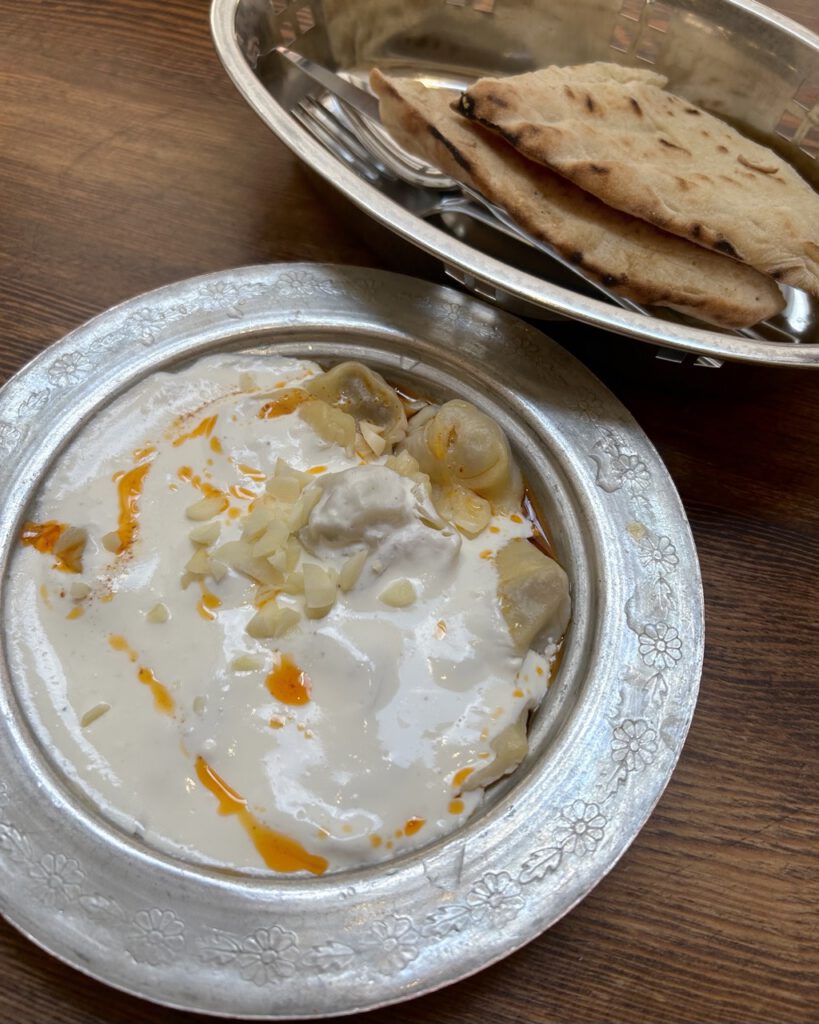
- Klepe: meat filled dumplings in a garlicky yogurt sauce with pita for dipping. My favourite dish in Bosnia. (Try at: ASDŽ Aščinica)
- Ćevapi: grilled minced meat sausages with fluffy somun bread and chopped onions. (Try at: Ćevabdžinica Željo)
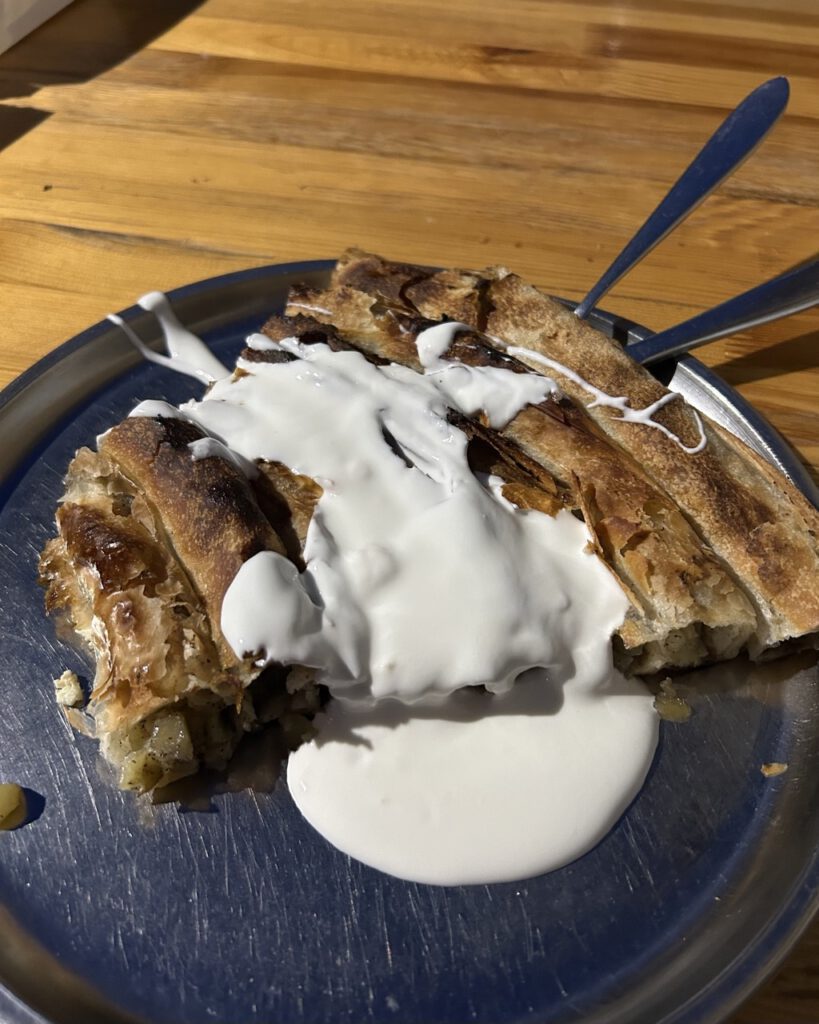
- Burek: flaky filo pastry filled with meat, cheese, spinach or potato. (Try at: Buregdžinica Sač)
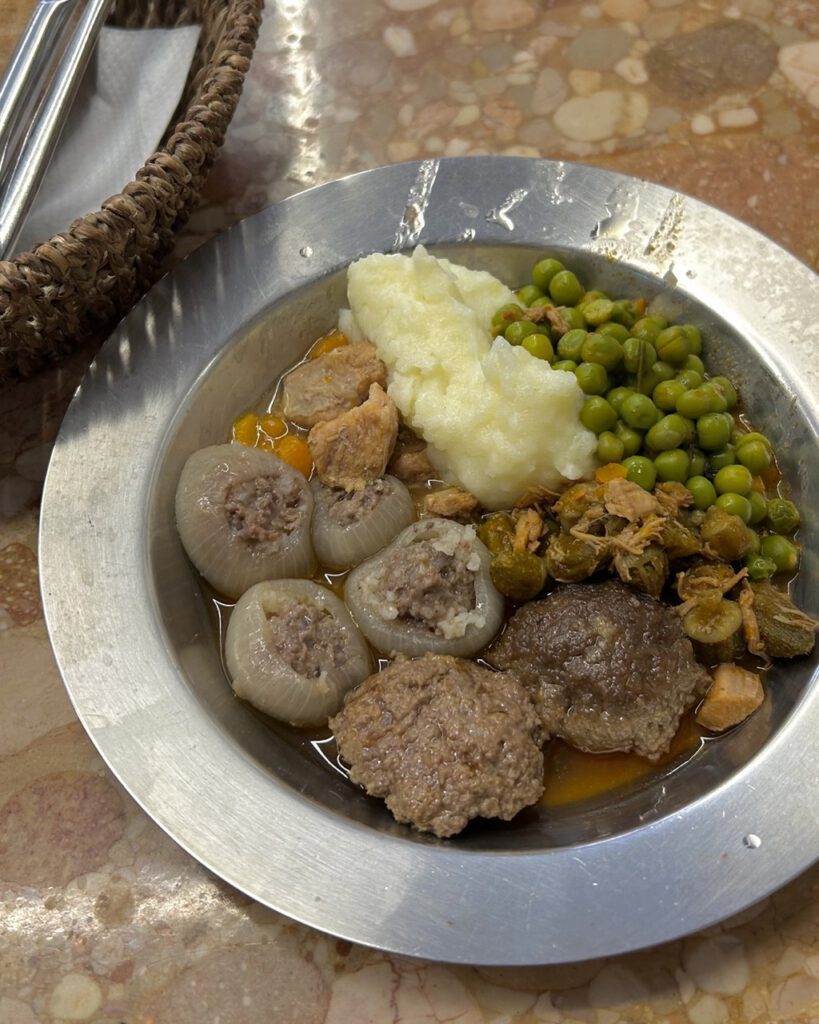
- Dolma: vegetables stuffed with seasoned meat and rice. (Try at: Bosnian Cuisine Hadžibajrić)
- Halva: warm semolina dessert served with ice cream. I became obsessed. (Try at: Fehmi 1958)
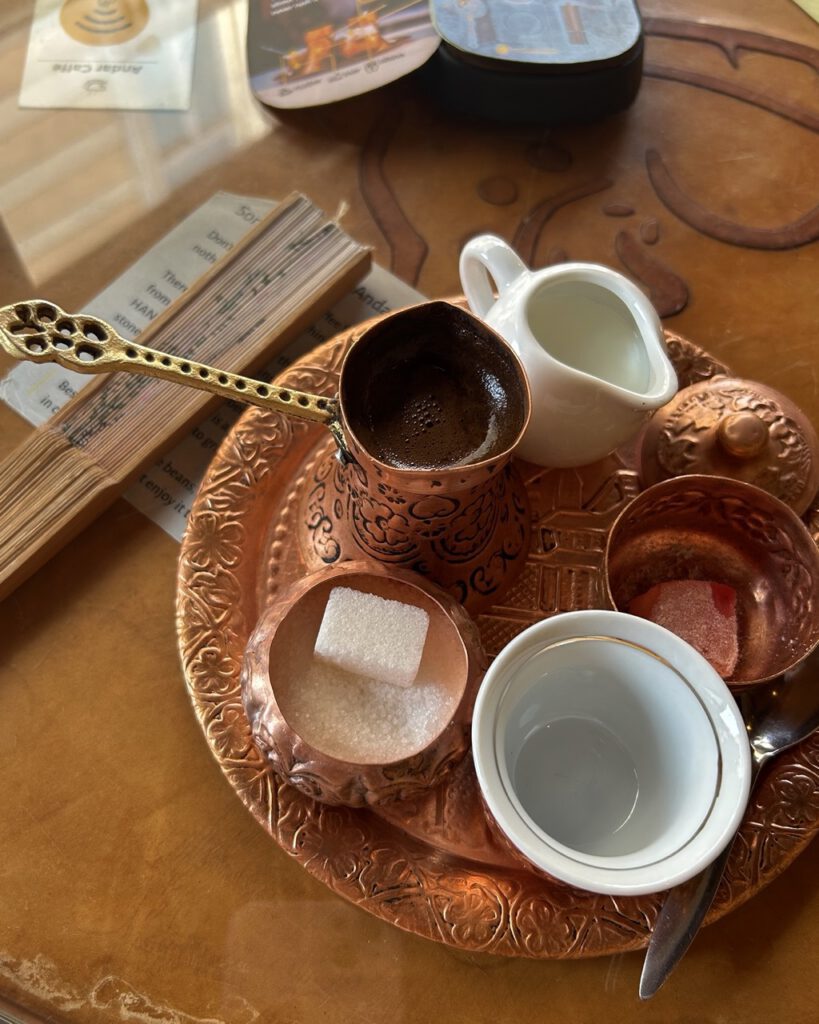
- Bosnian coffee: served in a džezva, meant to be sipped slowly. (Try at: ANDAR Caffe Bar)
One thing I especially loved was eating at traditional aščinicas, casual Bosnian food counters dating back to the 15th century where they dish you up whatever is freshly made that day. One of the best ways to experience authentic Bosnian cuisine.
2. Sarajevo Is One of The Coolest Capital Cities I’ve Visited
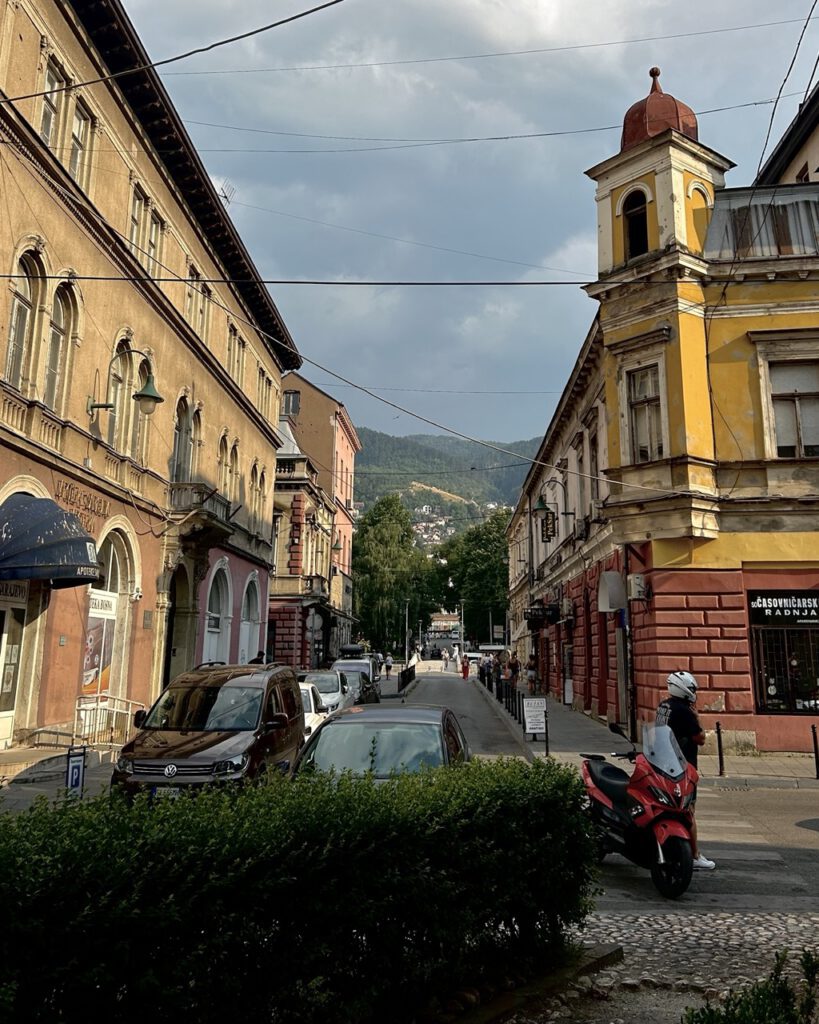
I had no idea what to expect from Sarajevo. What I was not expecting was a city surrounded by mountains, with buildings dotted all the way up the hillsides and narrow steep streets lined with old architecture leading down to a beautiful old town. My first impression was from Hostel Kucha, which sits up on a hill with an incredible view over the city. Super clean and well run. Just know you will be walking up a steep hill every time you come home. Worth it for the view.
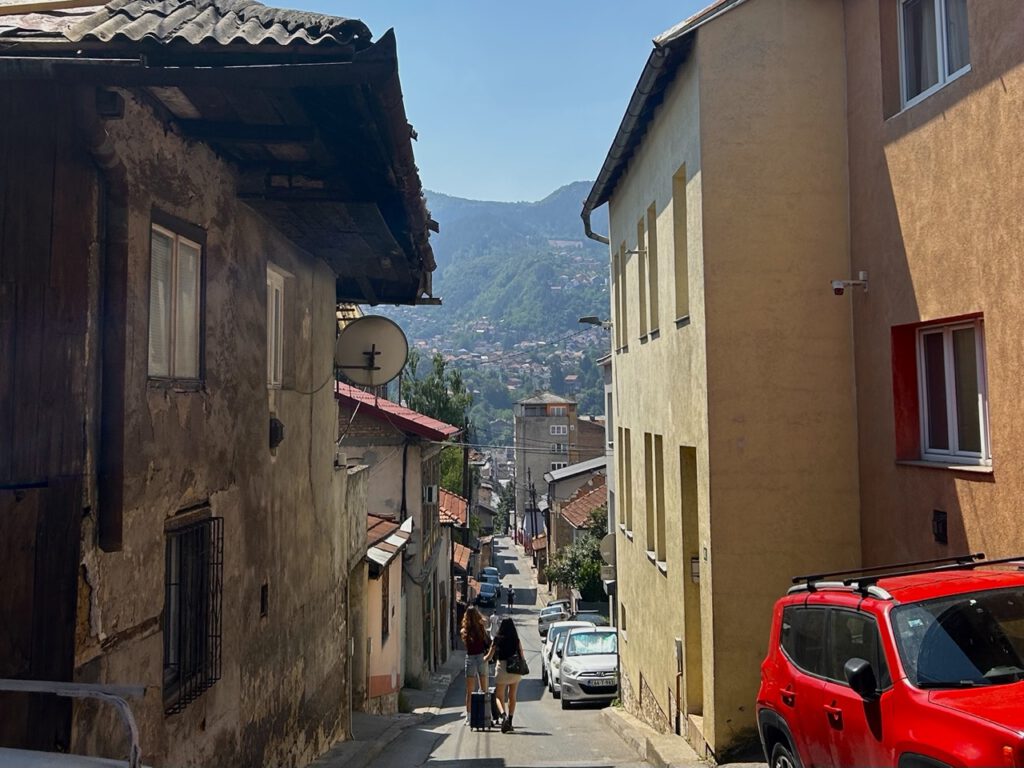
Sarajevo Old Town
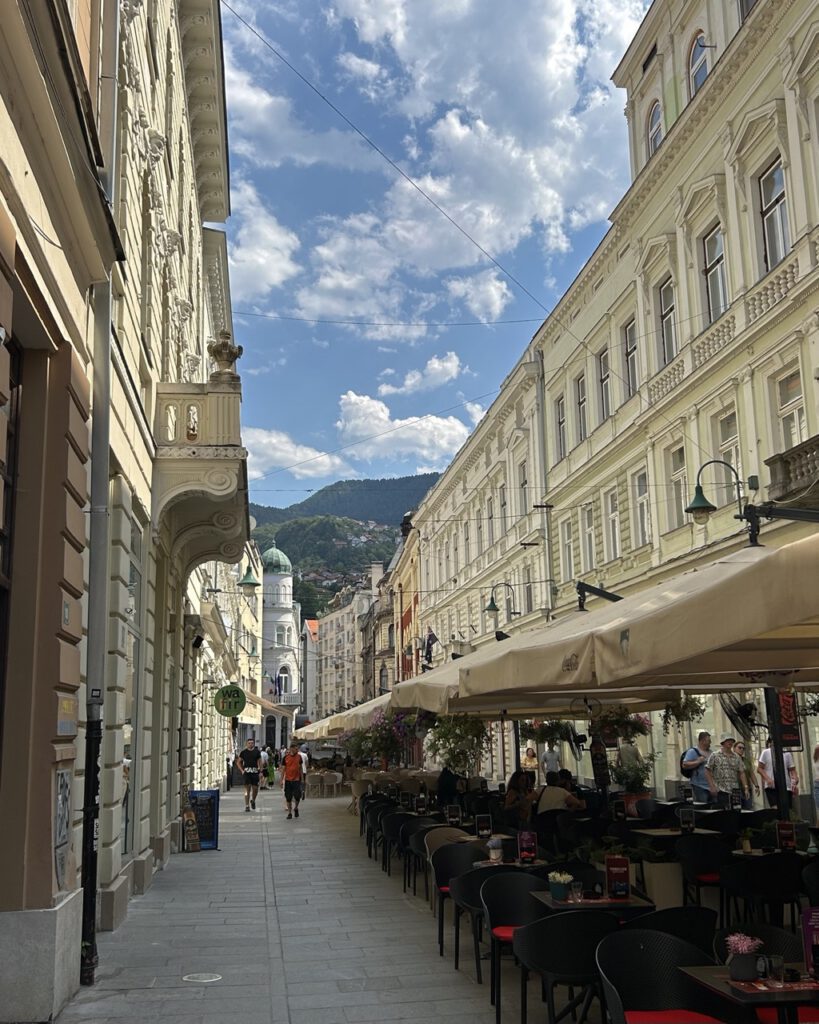
Sarajevo has an incredibly unique old town. It is not the most polished, but that is exactly why I loved it.
Picture cobblestone streets with restaurant patios spilling out, mosques rising up in the background, gothic churches, a lively central square with pigeons swirling overhead and around every corner another cafe or food counter waiting for you. Just beautiful.
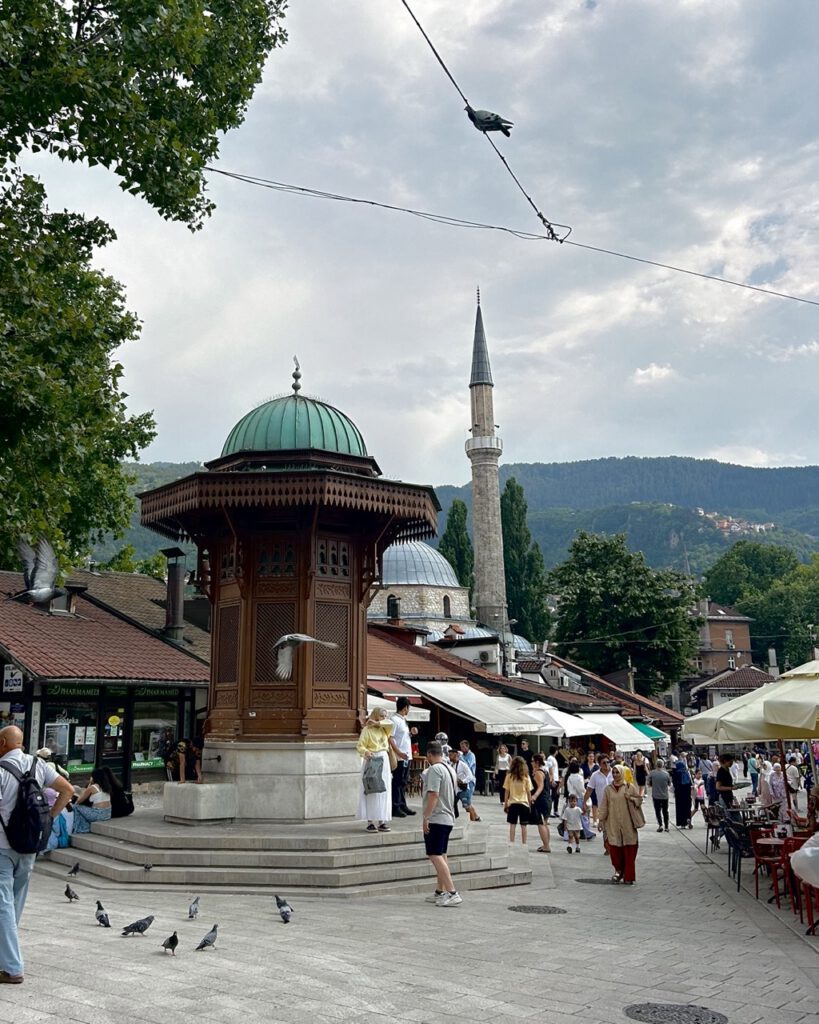
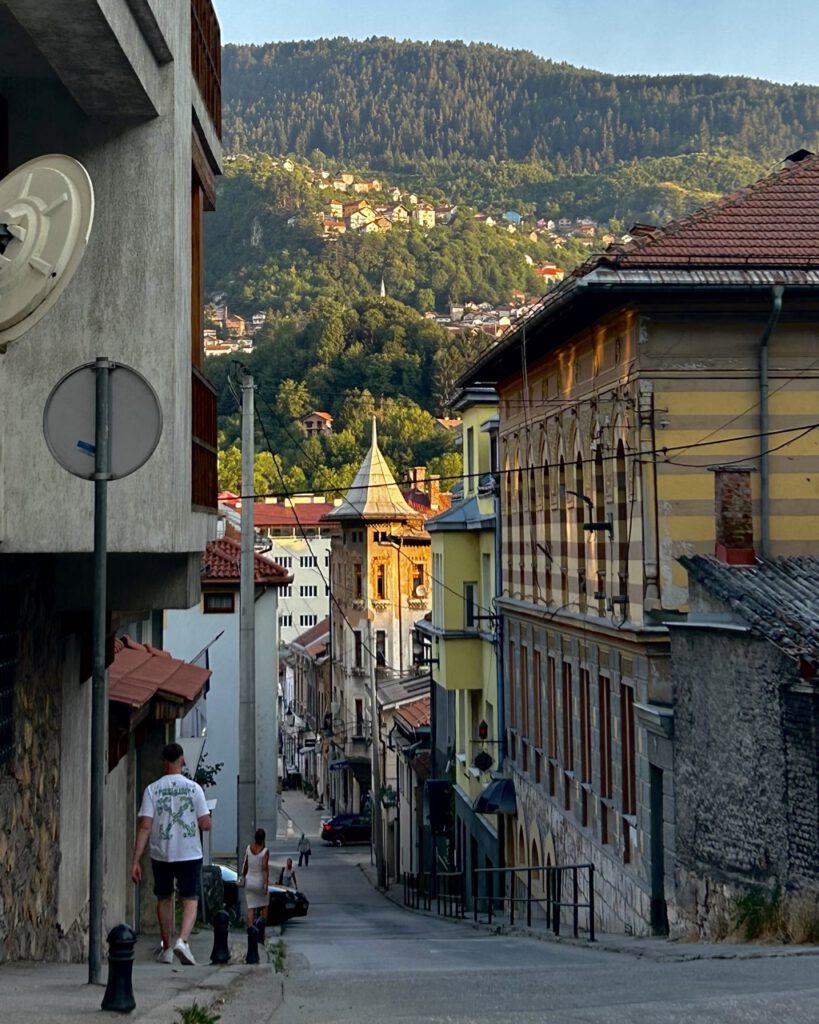
Sarajevo Walking Tour
Sarajevo has an enormous amount of history behind it, and a lot of it is recent. The Bosnian War ended just 30 years ago. The people walking these streets lived through it and still carry the weight of it. When you visit a place like this, understanding its history is a responsibility.
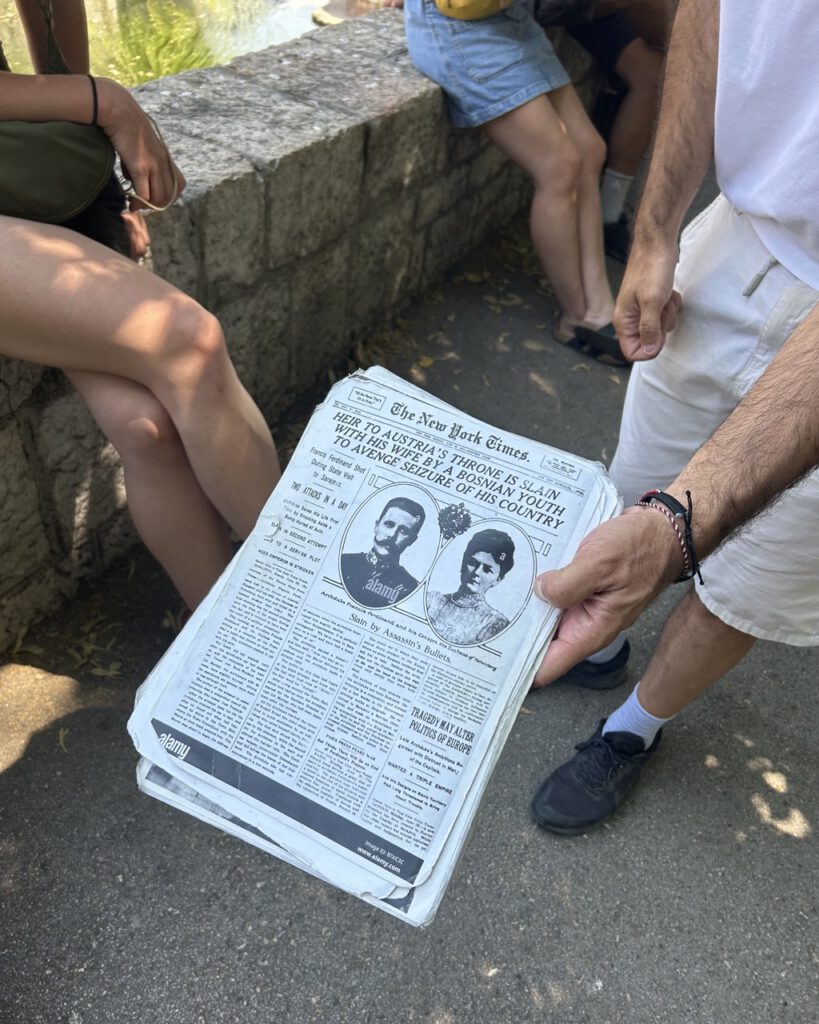
I booked the Neno and Friends East Meets West Free Walking Tour and cannot recommend it enough. Our guide walked us through the city, explaining centuries of history and pointing out exactly where things happened that you would walk straight past, including the bridge where the assassination of Franz Ferdinand triggered WW1 in 1914.
Our guide was a child when Sarajevo was held under siege for nearly four years. Hearing his first hand accounts of living through the war as a kid was bone chilling. I left with a completely different understanding of this country and its people.
The Yellow Fortress: Sunset Viewpoint
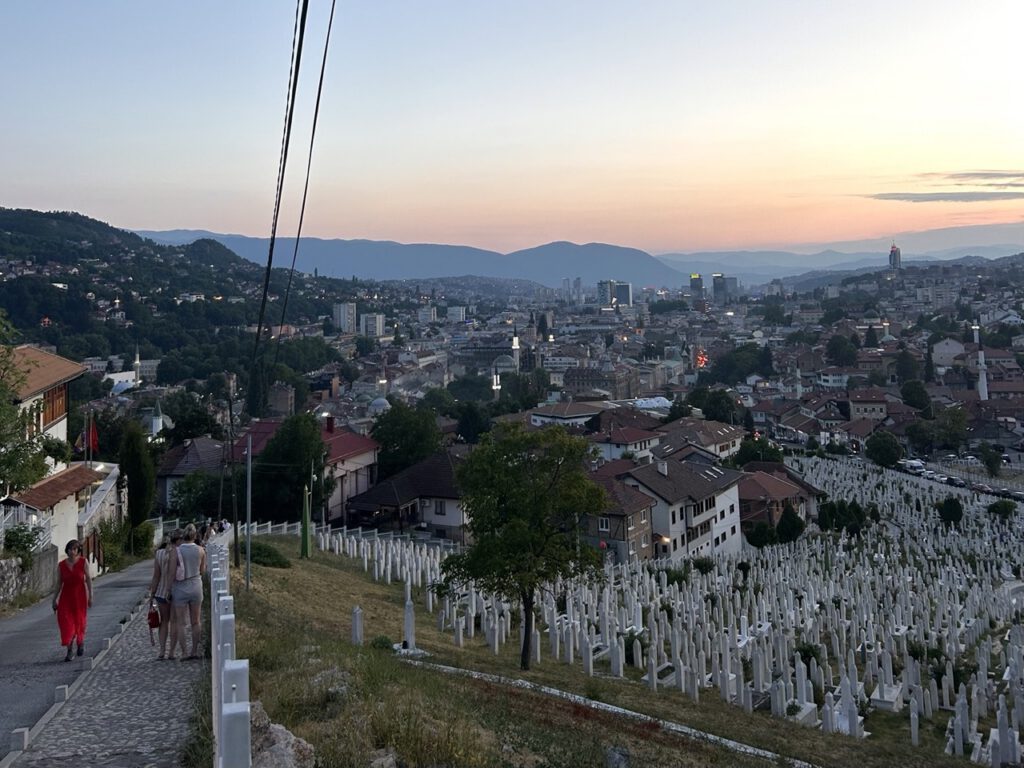
Another highlight in Sarajevo was hiking up to the Yellow Fortress for sunset, known as Sarajevo’s balcony. About a 15 minute walk from the old town. On the way up you pass through the Kovači Cemetery, the resting place of soldiers who lost their lives in the Bosnian War.
From the top you look out over a sea of rooftops and mountain ridges. Every evening at sunset, locals and travellers gather here. It has a real energy to it. Do not miss it.
3. The Sarajevo to Mostar Train Is One of Europe’s Most Scenic Journeys
Move over Switzerland. One of Europe’s most beautiful train journeys can be found in Bosnia for a fraction of the price.
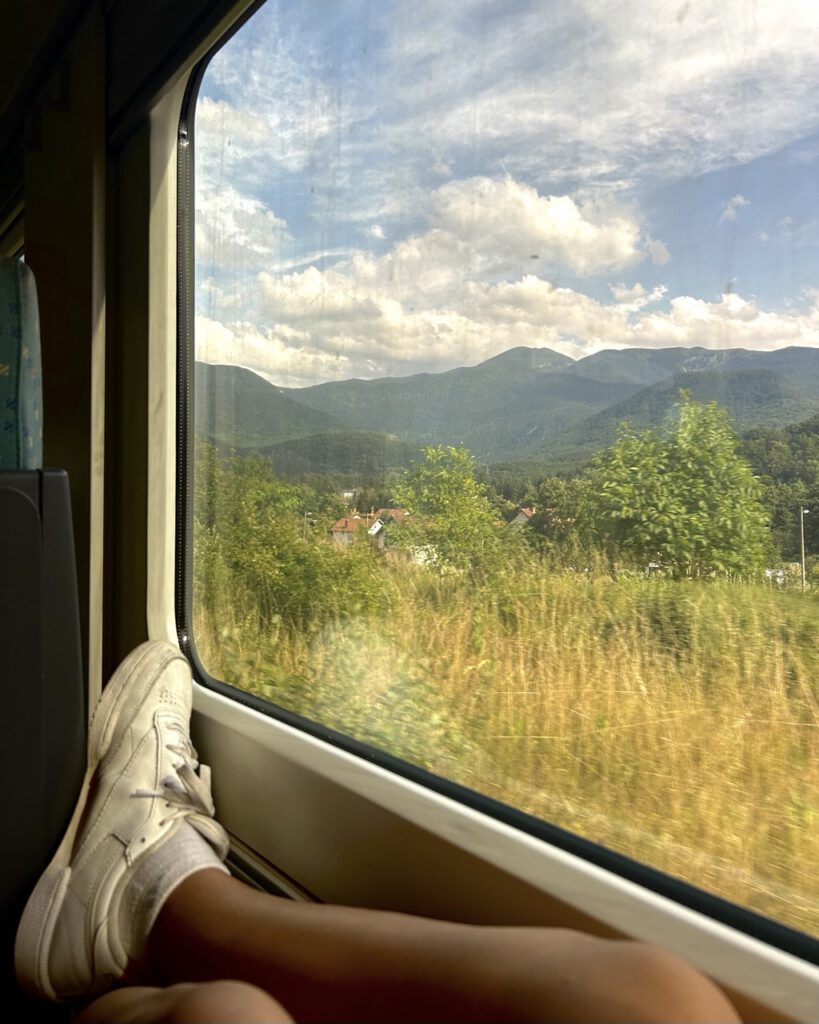
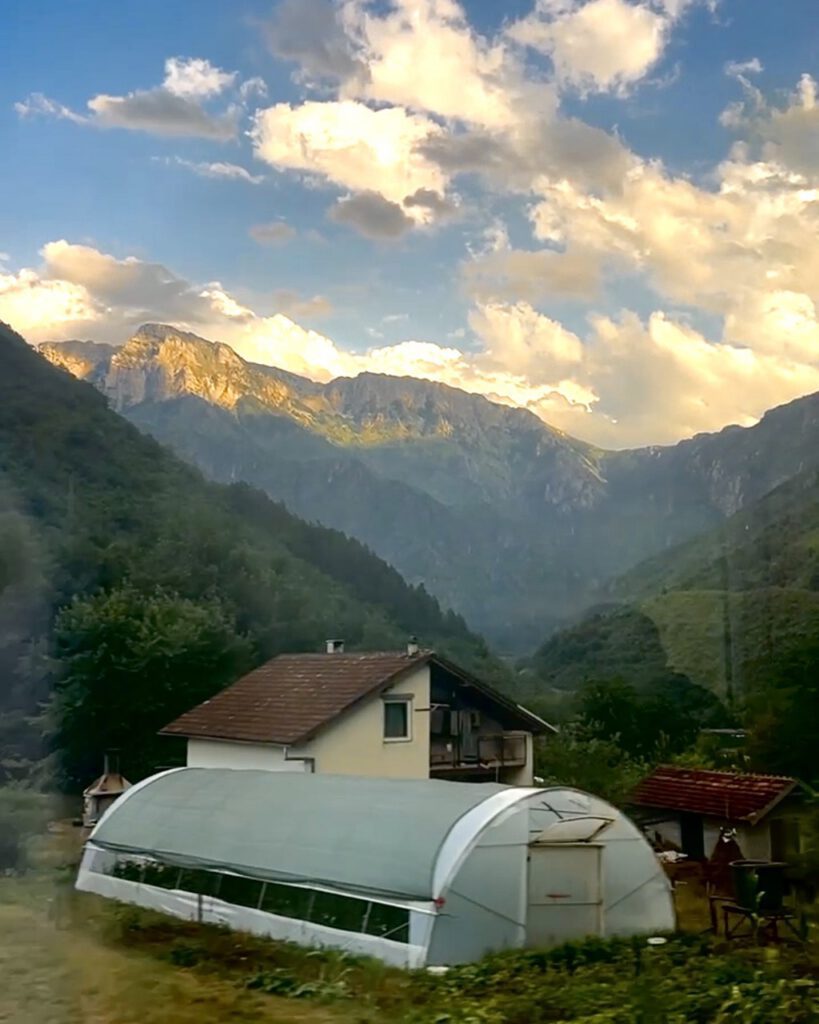
The train from Sarajevo to Mostar follows the Neretva river canyon for just over two hours, passing mountains, emerald green rivers and small villages clinging to hillsides. Both The Guardian and The Telegraph have listed it among the world’s best railway journeys, and a ticket costs only around €7. You will not find a better value scenic train ride in Europe.
Tip: sit on the left hand side travelling from Sarajevo to Mostar for the best views.
 Stay connected while traveling

Have mobile data ready for your next adventure with an eSIM.
4. Mostar Is One of Europe’s Most Beautiful Medieval Towns
Mostar Old Town & Bridges
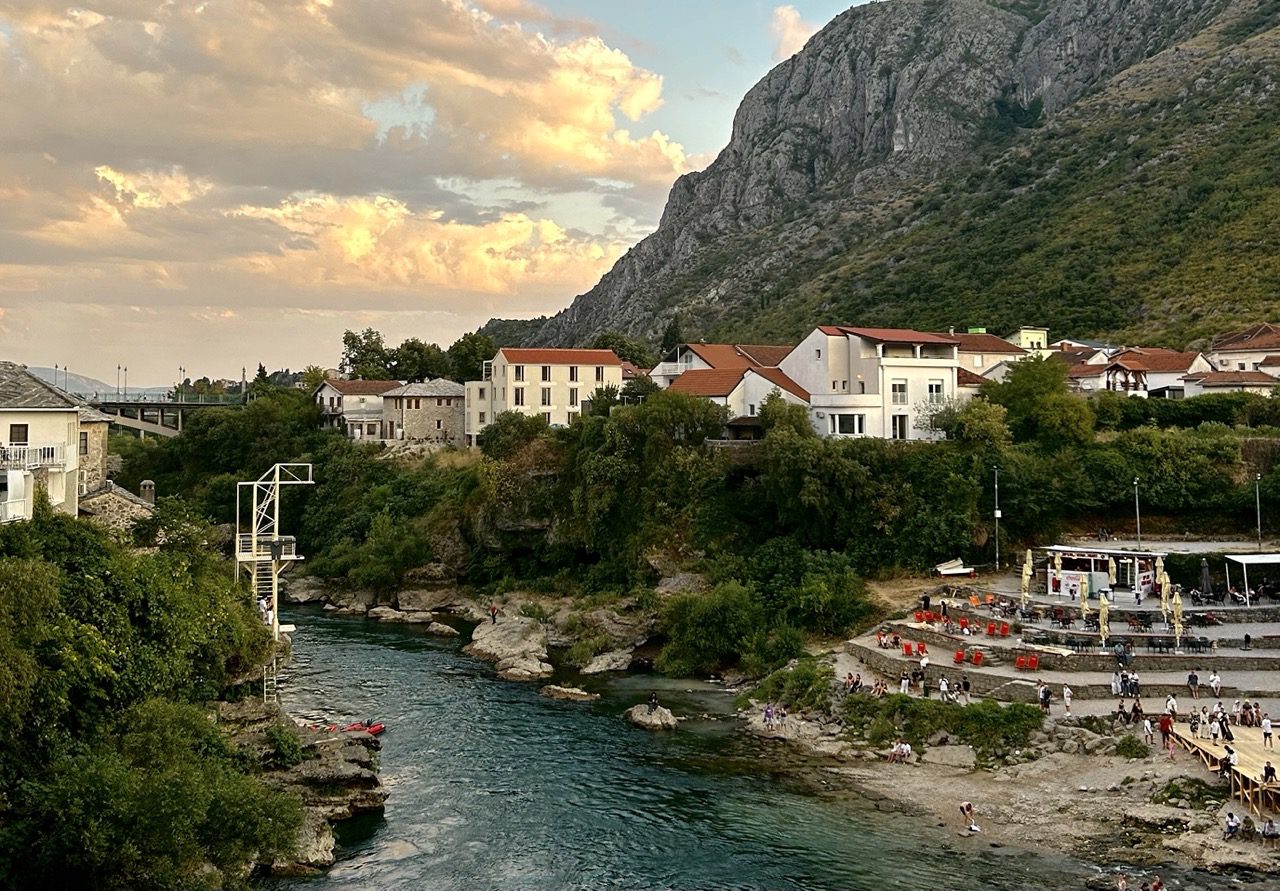
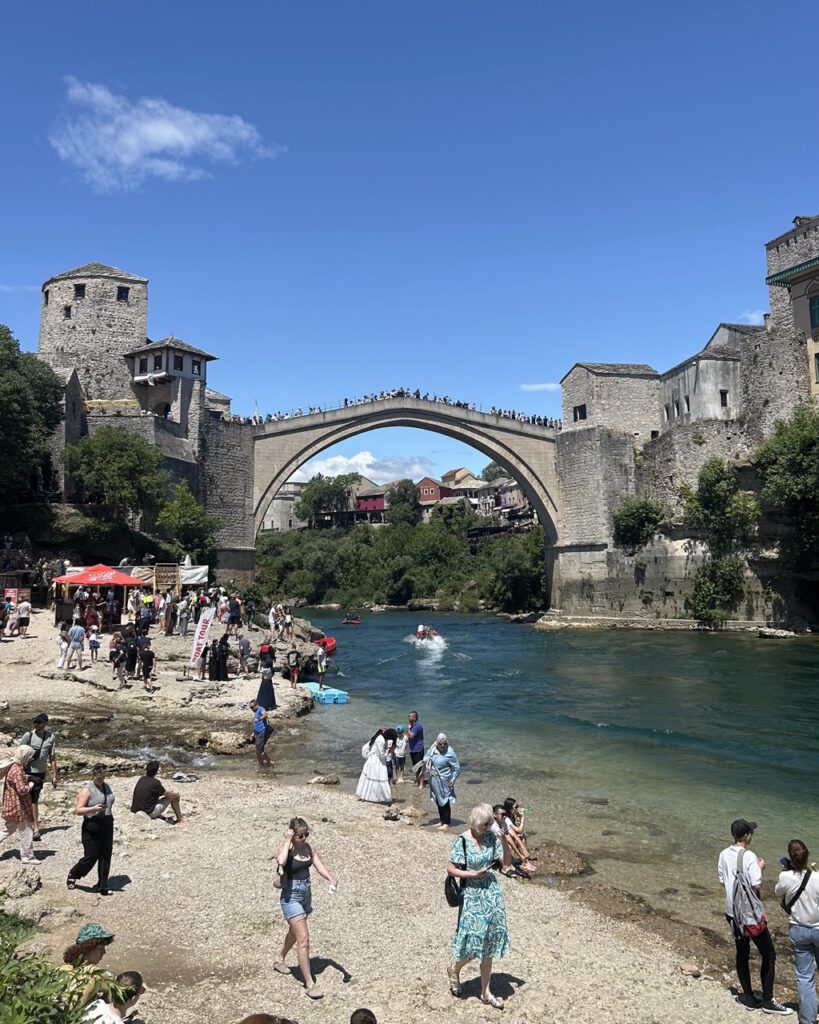
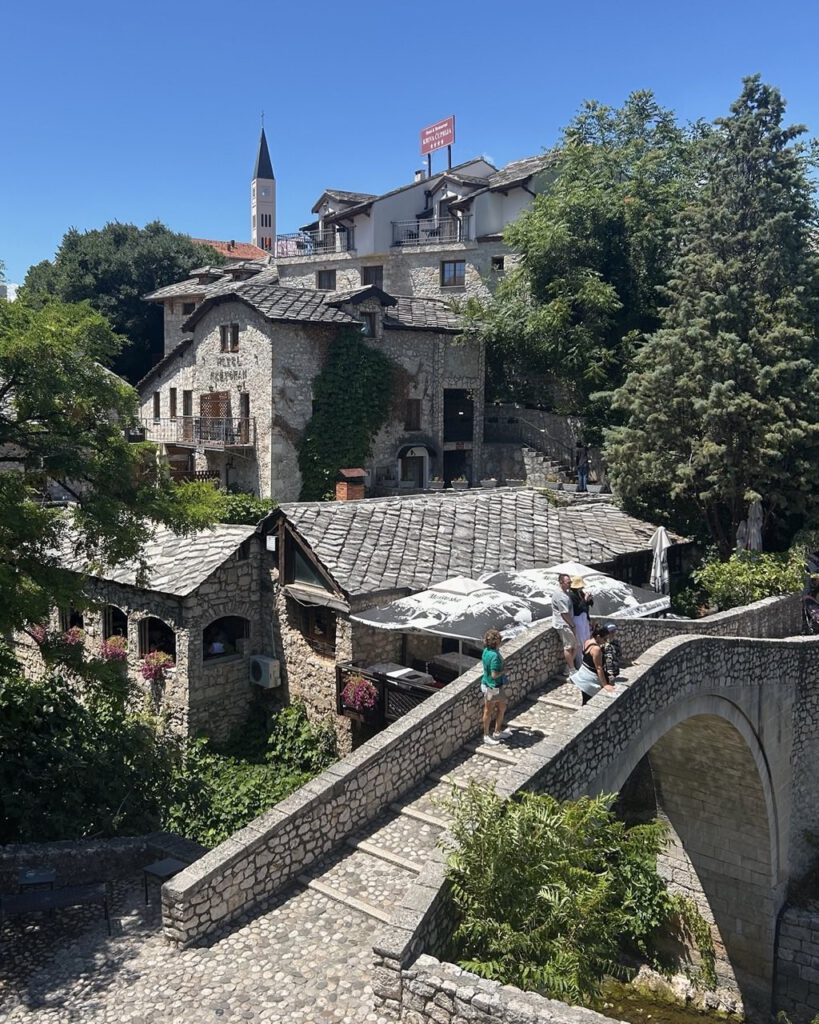
Mostar stops you in your tracks the moment you arrive. The old town sits right on the emerald green Neretva River and is centred around a beautiful Ottoman era arched bridge called the Stari Most. Watch your step on the limestone cobblestones, they can be very slippery.
One of my favourite afternoons in Bosnia was wandering through Mostar’s old town, grabbing food and sitting along the river to watch the famous bridge divers. Local members of the Mostar Divers Club collect tips and then leap 24 metres off the bridge into the river below, a tradition dating back to 1664. It is very fun to watch.
Mostar is more touristy than Sarajevo, partly because many people visit as a day trip from Dubrovnik. Still stunning and absolutely worth staying a few days.
Staying at Majdas Hostel
I have stayed in a lot of hostels over the years. When I say Majdas Hostel in Mostar is easily top three in the world, I am not saying it lightly.
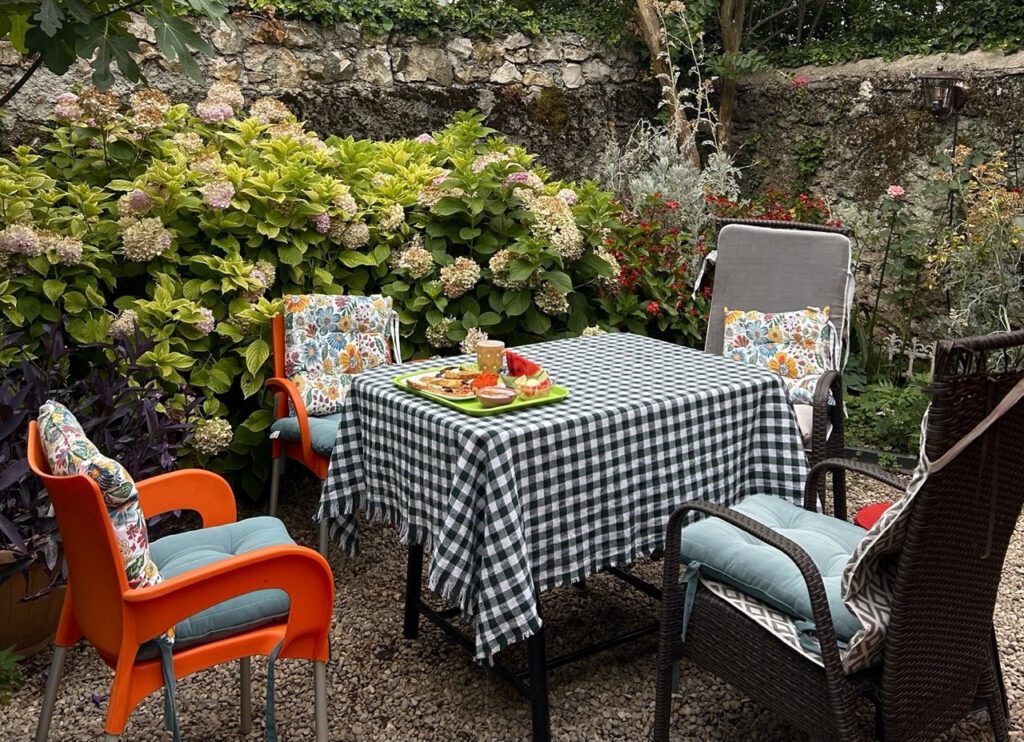
It is a family run hostel that felt like staying at my Nonna’s house. Cozy rooms with single beds instead of bunks, beautiful outdoor spaces and a family that genuinely cares about every person who walks through the door. If you opt into breakfast, Majda and her mother prepare a delicious full Bosnian spread each morning which you can enjoy in their garden.
The social atmosphere is effortless here. Within 30 minutes of arriving from the train I had walked back out the door with a group to grab dinner. The family also runs tours of Mostar from a perspective you cannot get anywhere else. More on that in the next section.
5. The History Isn’t Just Something You Read, You Live It
When you travel Bosnia you are constantly surrounded by history. Not just the Ottoman past but the very recent reality of the Bosnian War. You will even see bullet holes in buildings. Sometimes, locals will open up about their personal experiences if they feel comfortable enough.
Bata’s Crazy Tour
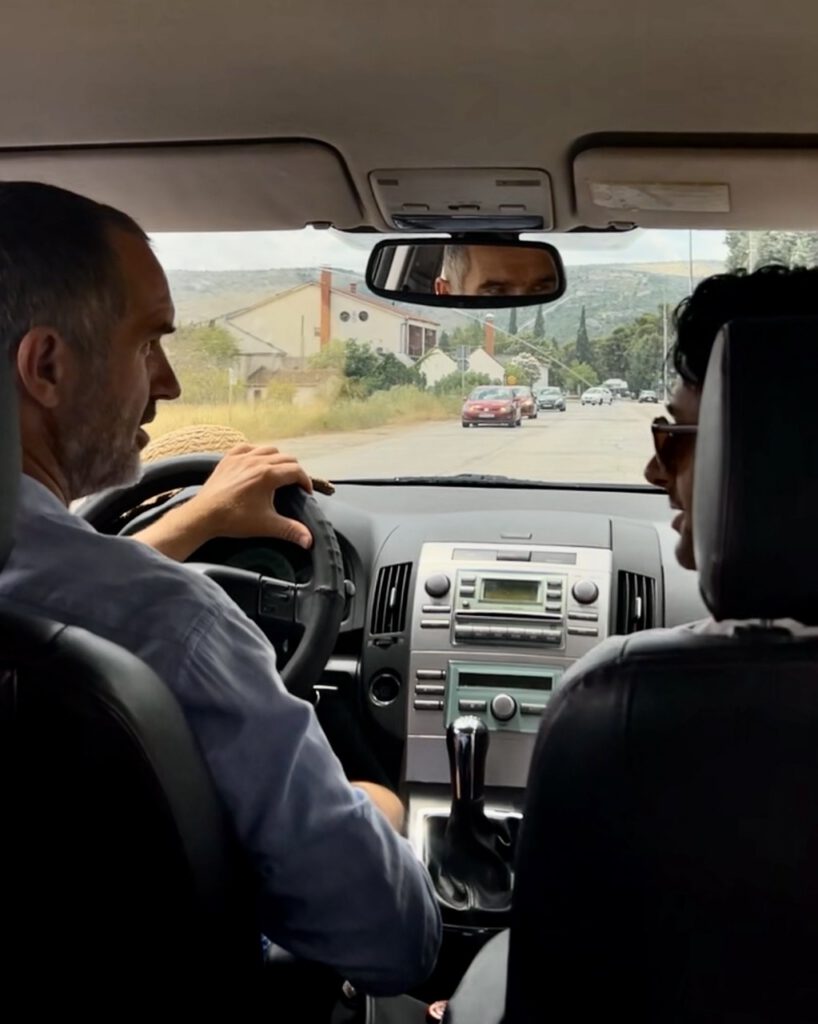
A definite do not miss from Majdas Hostel is the tour run by Bata, Majda’s brother. Bata rarely takes a day off because he is so passionate about sharing Bosnia’s history with backpackers.
You get to see the famous sights, but what makes this tour special is learning about one of the most devastating chapters in modern European history from someone who actually lived through it. Heavy at times but balanced with adventure and exploration throughout. One of the most personal and unique tours I have ever done.
War Museums
The War Childhood Museum in Sarajevo is one of the most moving museums I have walked through. A collection of everyday objects donated by people who were children during the Bosnian War, each with a personal story of growing up under siege. No graphic images, just deeply personal objects that give you a unique and devastating child’s perspective on the war.
The Museum of War and Genocide Victims in Mostar is heavier, covering the war and the Srebrenica genocide through photographs, testimonies, artifacts and video footage. Go prepared for an emotional couple of hours. Not easy but essential.
6. The Landscapes Completely Blew Me Away
Bosnia is stunningly beautiful geographically, and some of the best landscapes are accessible through Bata’s tour from Majdas Hostel in the areas surrounding Mostar.
Kravice Waterfalls
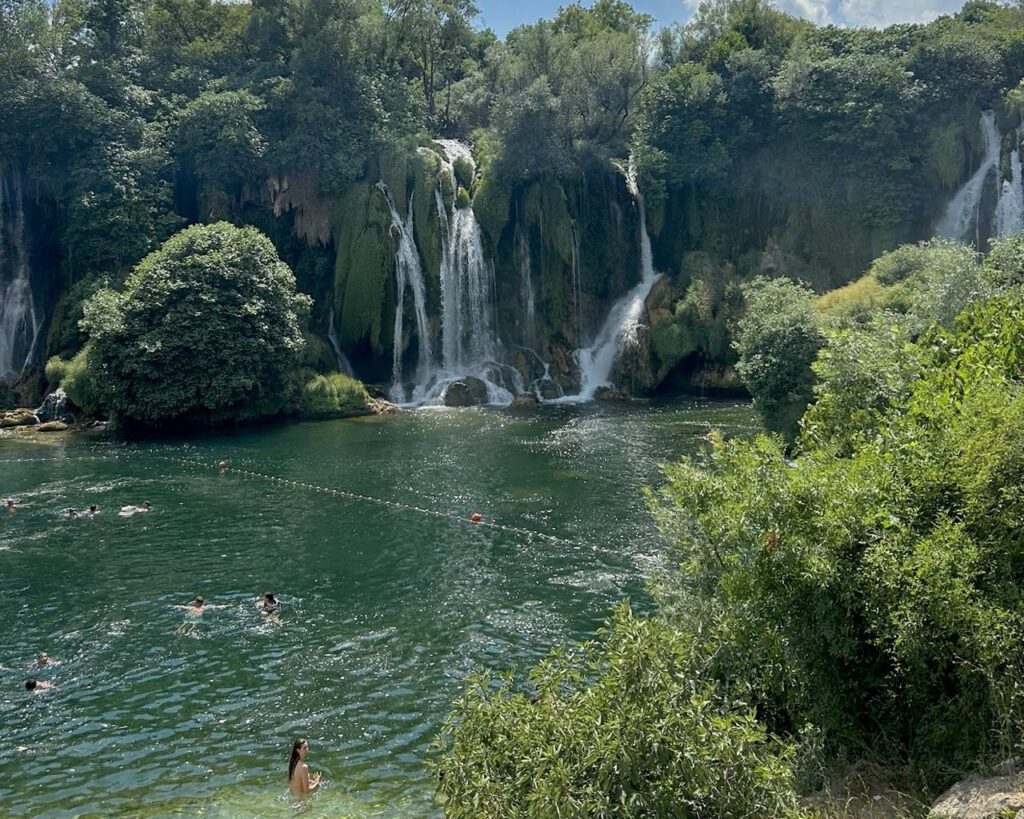
When you arrive at Kravice, it feels like you are walking up to a lagoon from a storybook. Multiple waterfalls cascade down moss covered cliffs into clear blue-green water where everyone floats, swims and lies around in the sun. It is lush and beautiful.
Počitelj Open-Air Museum
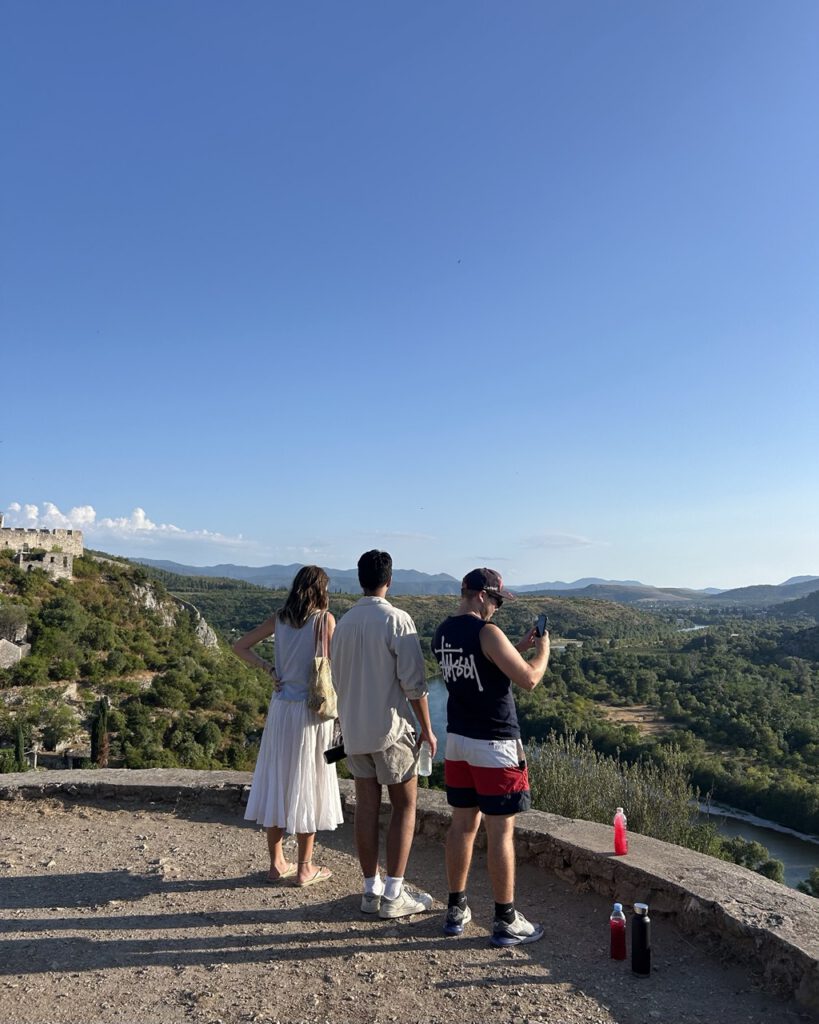
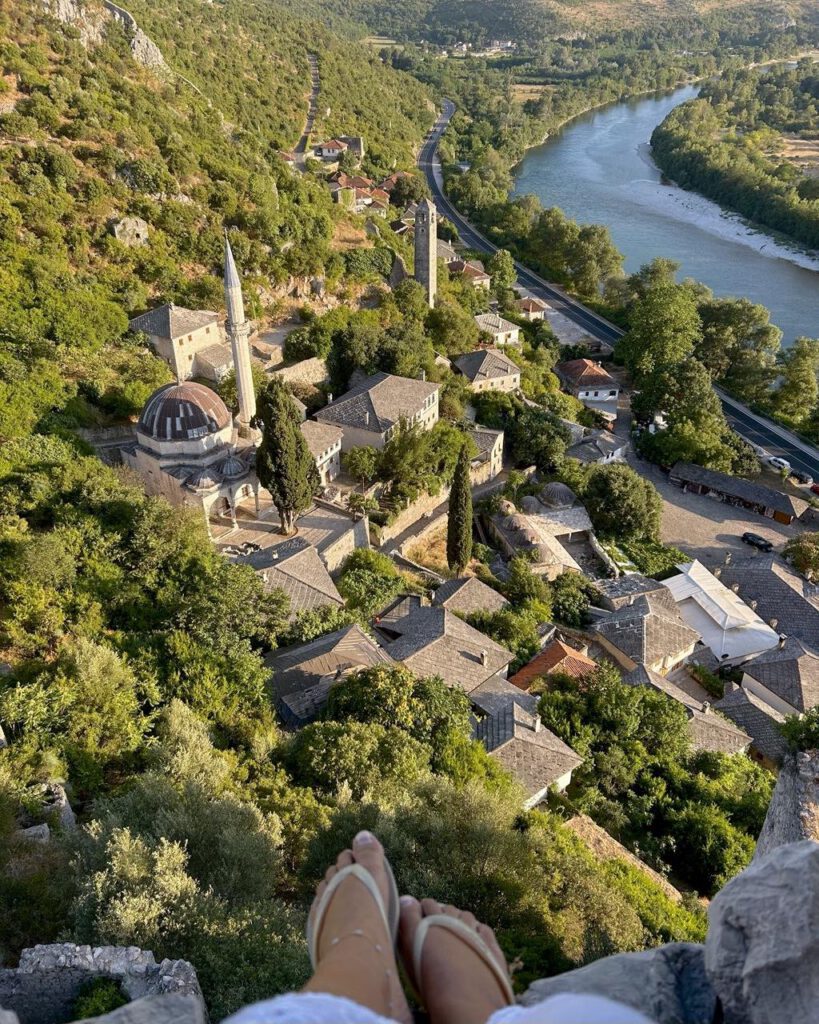
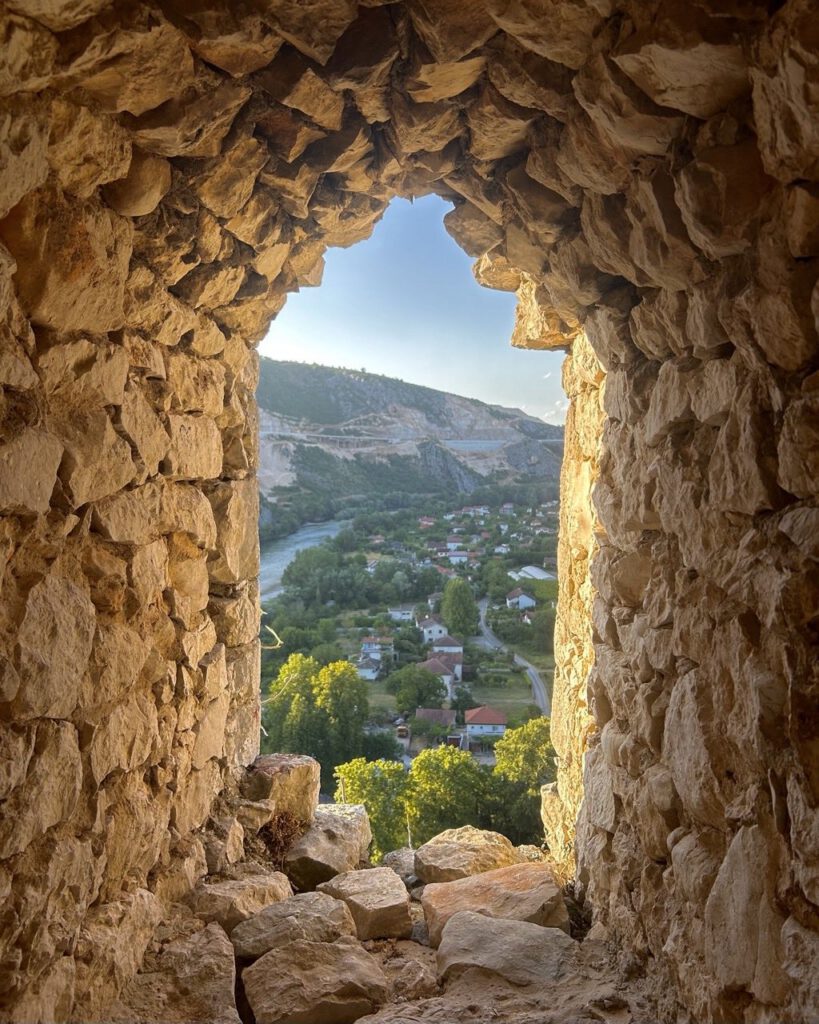
Počitelj is a medieval village built into the cliffs above the Neretva River, now a protected national monument. The best part is climbing up to the fortress tower for one of the most incredible panoramic views in Bosnia. Before you leave, buy a bottle of fresh sage juice from the local women selling it in the village. I still dream about it.
Blagaj Tekija Monastery
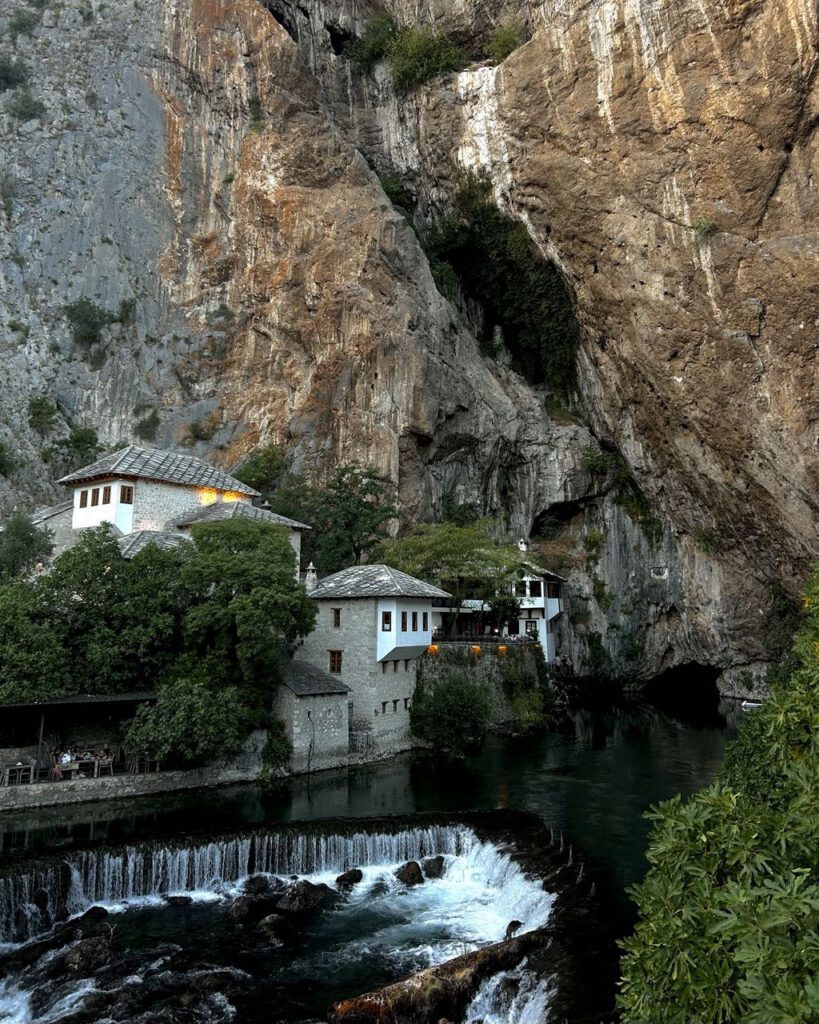
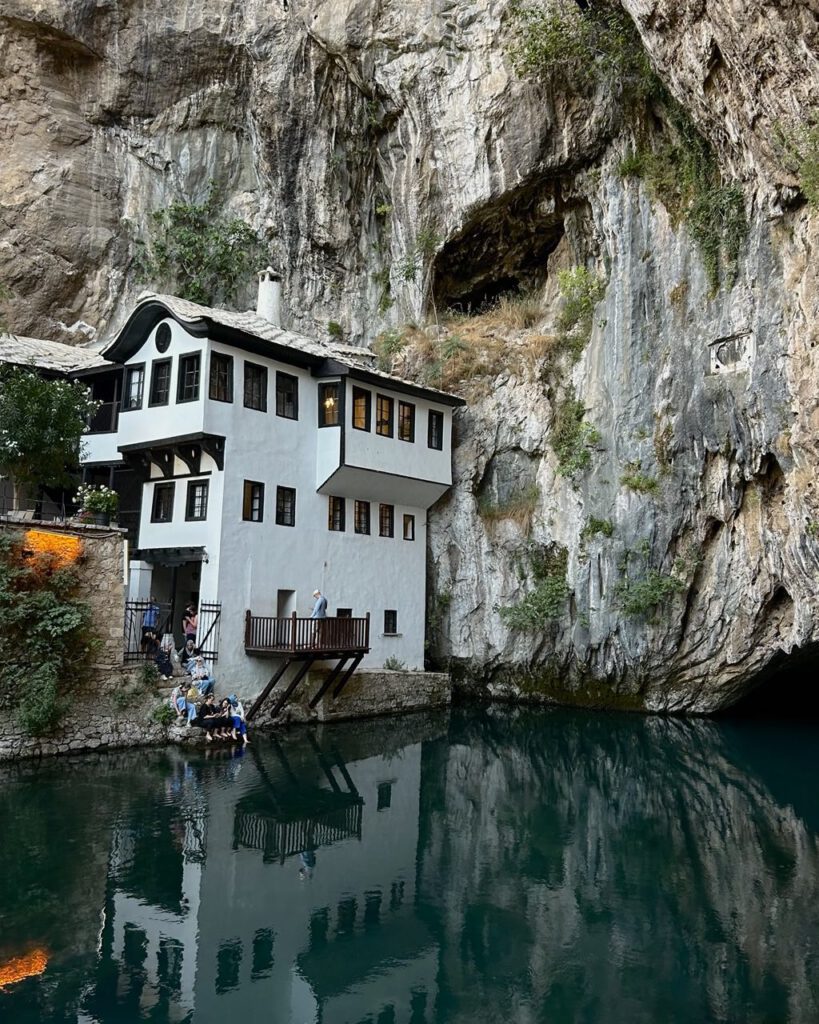
Blagaj Tekija is a 16th century Dervish monastery built right into the base of a cliff at the Buna River. The building looks like it is literally growing out of the rock above it, with blue water rushing from a cave beside it. One of the most striking things I saw in Bosnia.
7. Bosnia Is One of The Best Value Countries In Europe
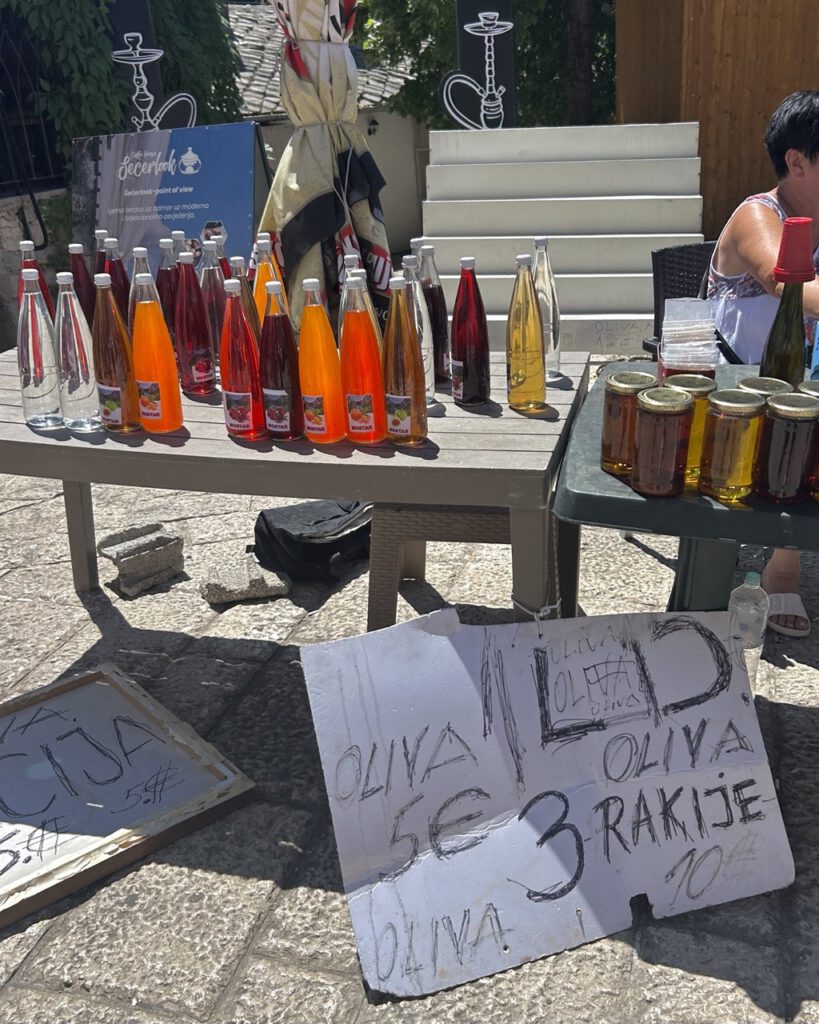
The inflated Western European summer prices have not reached Bosnia yet. Food is affordable, transportation is cheap and hostels were roughly half the price of those I stayed at earlier that same summer.
If you want to stretch your money further without compromising on the experience, Bosnia is one of the best value destinations in Europe right now.
8. It Hasn’t Lost Its Authenticity
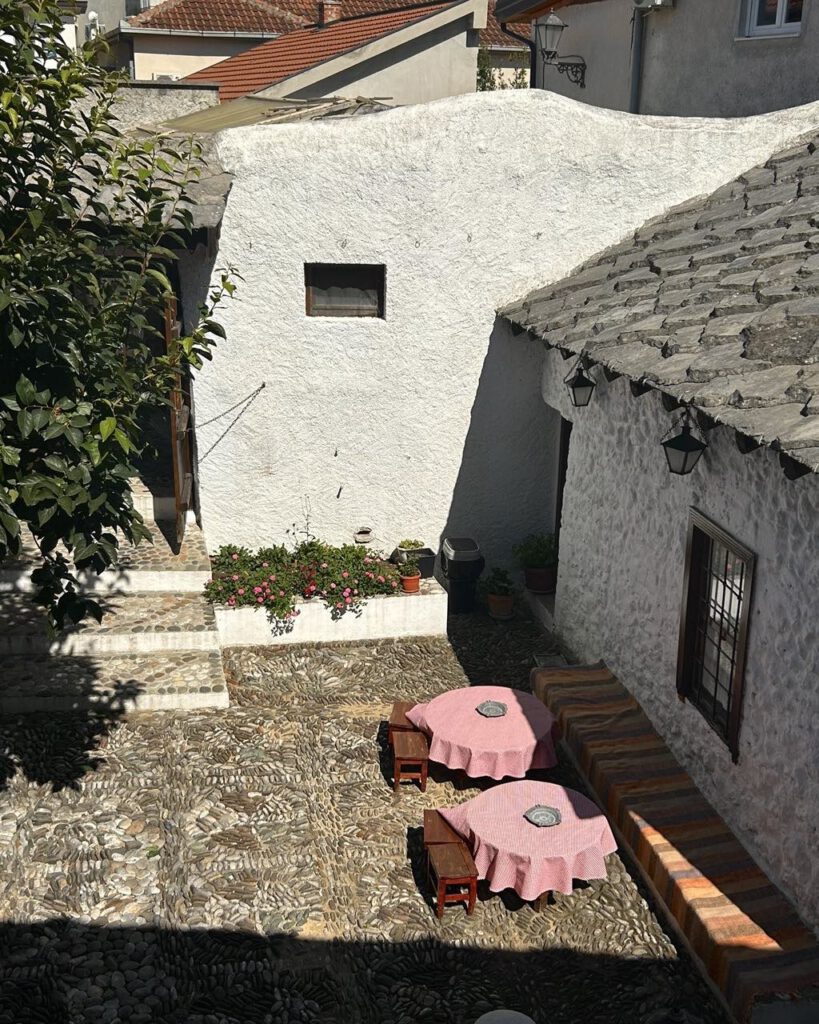
Because the Bosnian War was only 30 years ago, there is still a stigma surrounding this country that keeps a lot of travellers away. But Bosnia is safe, welcoming and beautiful. And because it has not yet been overrun by tourism, it still feels completely real. Cafes are full of locals sipping coffee for hours. Hostels are run by families. You feel the everyday life of this country and you see it firsthand.
My walking tour guide said he wants visitors to spread the word so that the stigma of a war torn country can start to change. But not so much that the coffee prices start becoming what they are in Croatia.
Final Verdict: Is Bosnia Worth Visiting?
Yes. Without question.
Bosnia and Herzegovina surprised me more than almost any other country I visited in Europe. The landscapes, the food, the history, the people. None of it is what travellers expect, and all of it is better than they imagine.
Bosnia deserves more visitors. Not the kind that turn it into the next Dubrovnik, but the kind that sit in the cafes, take the walking tours, listen to the stories and leave with a deeper understanding of what this country has been through and how far it has come. Go before everyone else figures it out.
At A Glance: Bosnia & Herzegovina
Looking for another underrated destination? Here is Why Tofino Should Be on Every Canadian Bucket List.